Tree Lopping
Big Trees, Tight Spaces and Everything in Between
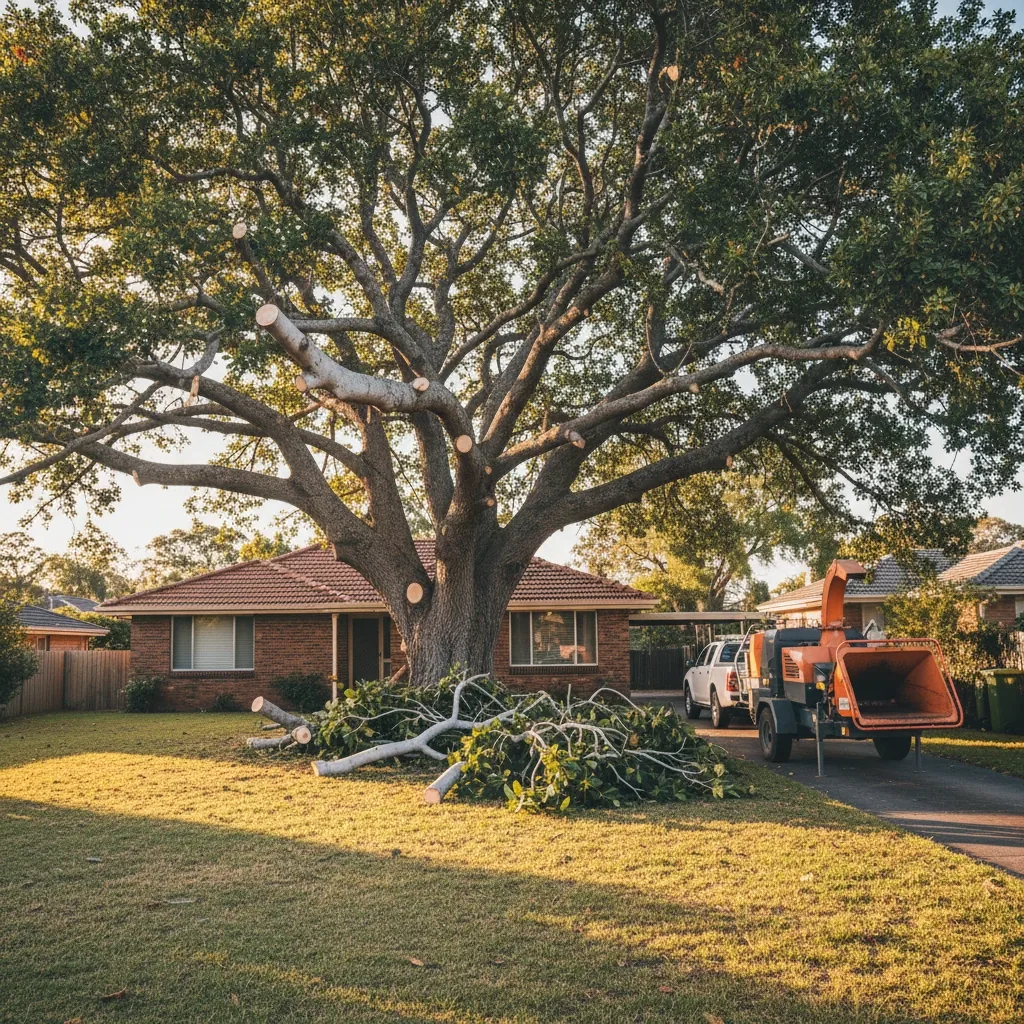
Trees on the Sunshine Coast grow fast, and what starts as a manageable garden feature can turn into a canopy pressing against your roofline, dropping debris into gutters and blocking light from the rooms below. Tree lopping brings an overgrown tree back to a size that works for your property without necessarily removing it altogether.
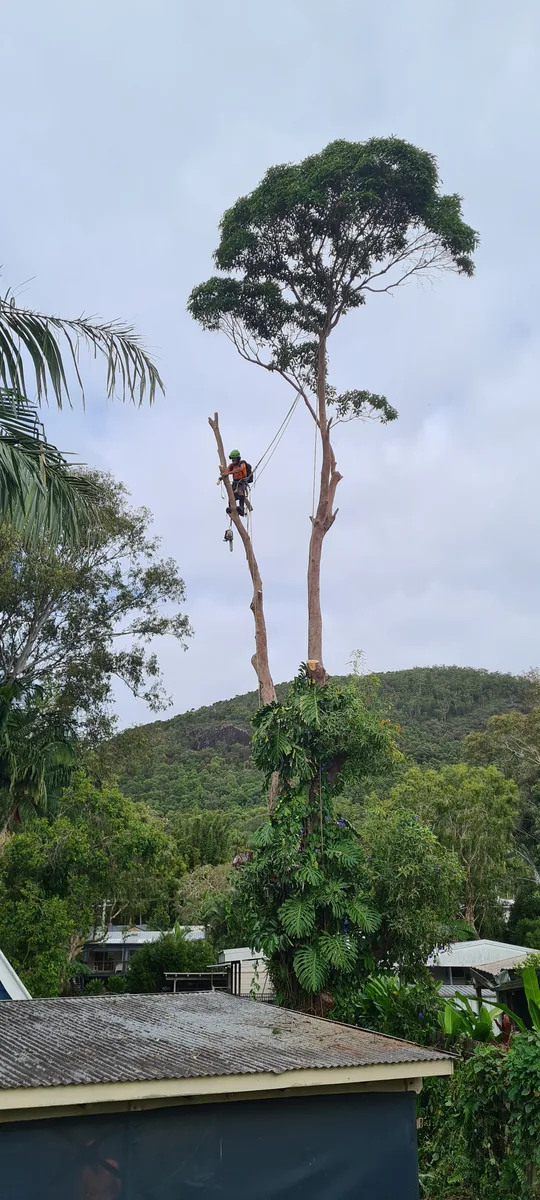
At All Australian Tree Palm and Garden Services, our tree lopping work is carried out by a Level 3 Arborist-qualified crew who understands how different species respond to being cut back. Lopping done badly — cutting in the wrong places or taking too much at once — can stress a tree to the point of no return, leave it vulnerable to disease or create a regrowth problem that's worse than the original issue.
We assess each tree individually, identify the right approach for its species and structure and carry out the work in a way that gives the tree the best chance of recovering well. The goal is always a tree that's the right size for its surroundings and as healthy as it can be after the work is complete.
What You Get
What Every Tree Lopping Job Includes
What We Handle
The Right Approach for Every Tree
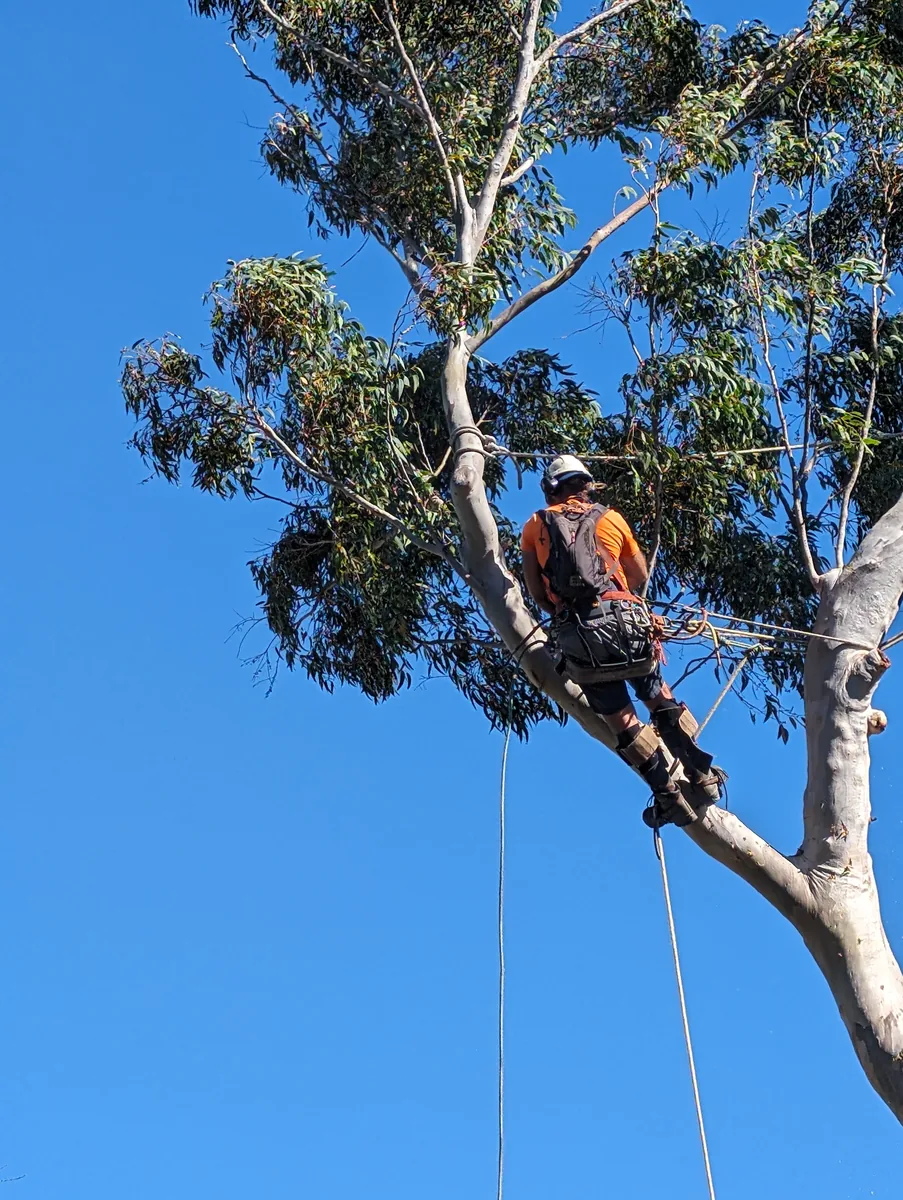
When a tree has grown too large for its surroundings, canopy reduction brings it back to a manageable size by selectively removing branches throughout the upper and outer portions of the crown. The aim is to reduce the overall volume of the tree while keeping its natural shape intact — not just hacking the top off and hoping for the best.
Get in Touch
Get a Free Quote
- Free, no-obligation quotes.
- Available 24/7.
- $20 million public liability insurance.
- Locally owned & operated.
Prefer to call? We're available 24/7 on 0467 544 600.
Common Questions
Tree Lopping — Frequently Asked Questions
Tree lopping generally refers to the reduction of a tree's size by removing large sections of the canopy, often to manage height or spread.
Tree pruning is a broader term that covers a range of techniques — including crown thinning, deadwooding and selective branch removal — aimed at improving the tree's health, structure or appearance. In practice, a qualified arborist will often use a combination of both approaches depending on the tree's condition and what the property requires.
Yes, if it's carried out incorrectly. Removing too much of the canopy at once, cutting in the wrong locations or using poor technique can stress a tree significantly — making it vulnerable to disease.
This stimulates excessive regrowth or in some cases causing long-term structural problems. This is why the species of the tree and its current condition should always be assessed before any lopping work begins.
It depends on the species, the tree's growth rate and the constraints of the property. Fast-growing species in a confined space may need attention every one to two years, while slower-growing trees on larger properties might only need work every three to five years.
A qualified arborist can assess your trees and give you a realistic idea of what kind of ongoing maintenance schedule makes sense.
Related Services
You Might Also Need
Tree Removal
Sometimes lopping isn't the right answer — if a tree is too far gone or in the wrong position entirely, removal is the cleaner option. We'll give you an honest assessment of which approach makes sense for your situation.
Learn about tree removalHedging and Trimming
If you've got hedges or garden borders that need attention alongside your trees, we can take care of both in the same visit — keeping your whole property looking sharp in one go.
Learn about hedging and trimming